Grow More, Waste Less: Home Garden Upkeep That Makes a Difference

Step into low-waste home garden upkeep with practical habits that respect the soil, conserve water, and shrink your trash bin week after week. Today we explore strategies that turn kitchen scraps into fertility, redesign watering to be precise, and extend the life of every tool and container. Expect inspiring stories, simple checklists, and science-backed tips that help your garden thrive beautifully while your environmental footprint quietly shrinks and your confidence grows.

Start with Soil: Compost, Mulch, and Living Microbes

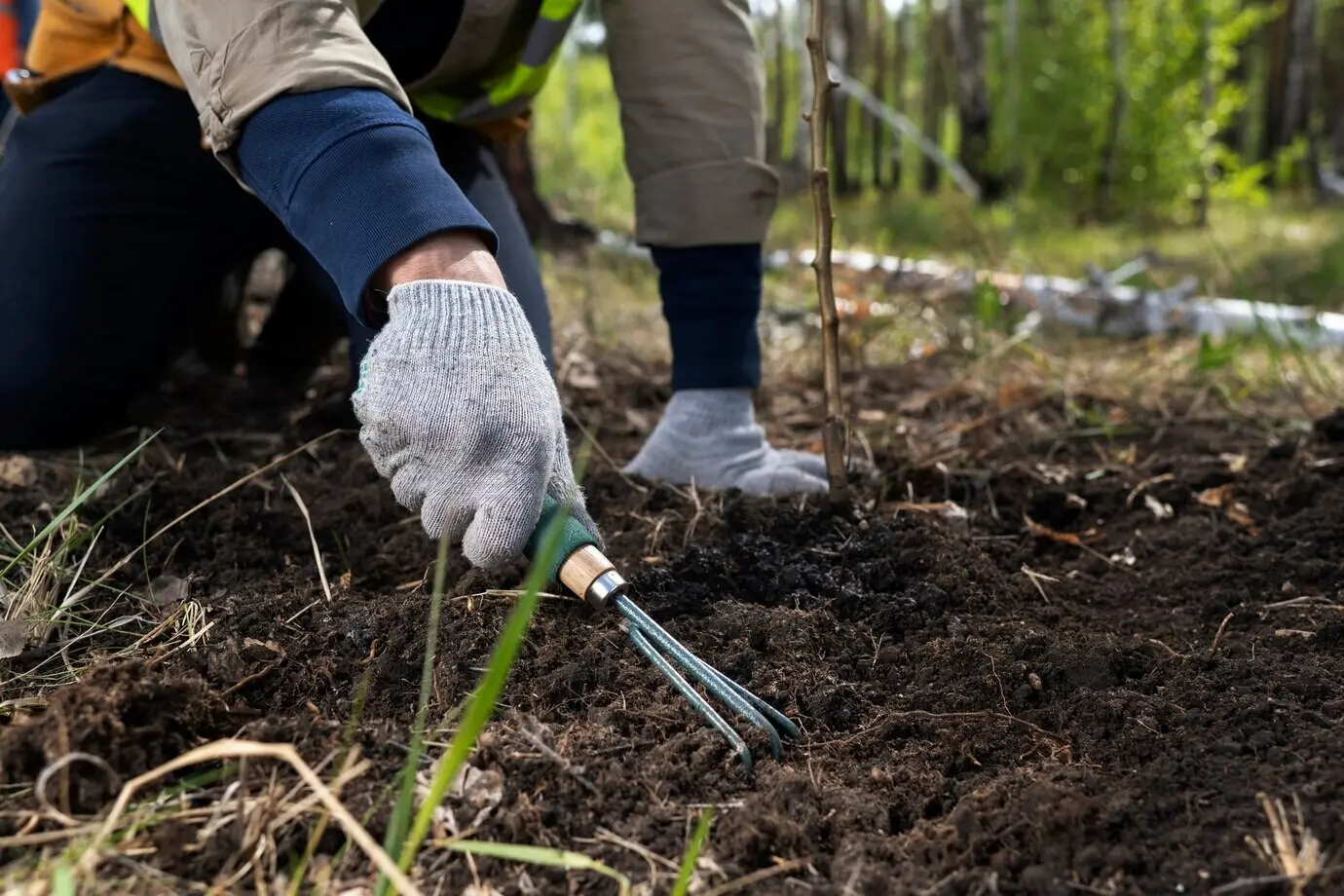
Healthy soil is the heart of low-waste gardening because it transforms leftovers into nutrients, reduces dependency on packaged fertilizers, and locks carbon where plants crave it most. By pairing aerobic composting with thoughtful mulching, you reduce hauling, suppress weeds, protect moisture, and invite a bustling underground community that nourishes roots naturally. These habits create resilience, cut costs, and keep your curbside trash astonishingly light throughout the growing year.

Water Wisdom for Thirsty Roots

Watering thoughtfully prevents runoff, respects local drought conditions, and ensures every drop counts. By combining rain capture with efficient delivery systems and careful timing, you help roots drink steadily without soaking paths or evaporating into midday heat. These methods reduce waste, lighten your bill, and keep plants vigorous through heat waves. With a few weekend projects, you can dramatically improve resilience and maintain lush beds even during unpredictable weather patterns.

Tools, Containers, and Clever Reuse

A low-waste garden extends the life of every tool and container through maintenance, thoughtful storage, and creative upcycling. Sharpen blades, oil pivot points, and mend handles before purchasing replacements. Save sturdy packaging for seed sorting, protect terracotta from winter cracks, and repurpose food-safe buckets for hauling mulch. These habits reduce costs, prevent clutter, and avoid constant trips to the store while keeping plastics and broken metal out of the trash stream.

Repair Before You Replace

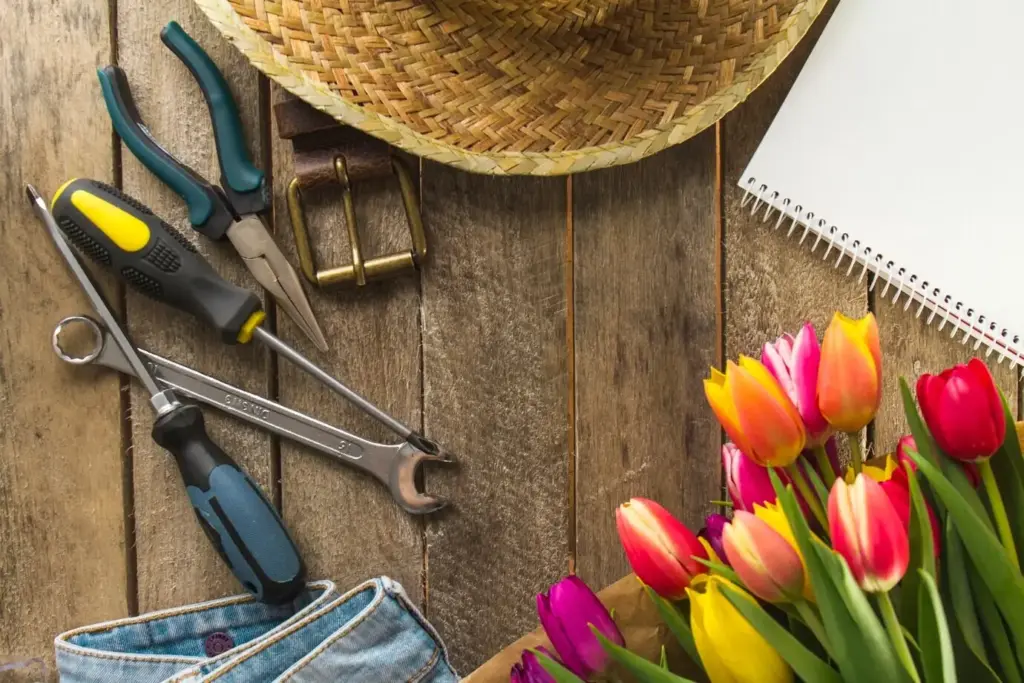
A ten-minute handle wrap, a replacement bolt, or a quick sharpening can return a spade or pruners to near-new performance. Keep a small kit with sandpaper, linseed oil, and a file. Label annual maintenance dates and celebrate every saved purchase. Over time, reliable tools become familiar friends, reducing packaging, shipping emissions, and the frustration of flimsy gear that fails under pressure. Durability is a cornerstone of genuinely responsible garden care.

Upcycled Planters That Last

Transform food-grade buckets, wooden crates, or retired drawers into planters after drilling drainage holes and sealing exposed wood. Line with burlap or repurposed cloth to keep soil in place and mulch heavily to moderate temperature. Label varieties with reusable tags, avoiding single-use stakes. Well-prepared containers outperform many store-bought pots, cost almost nothing, and tell a story about resourcefulness. Each rescued vessel diverts materials from landfills and adds character to patios and balconies.

Storage Habits That Prevent Rust and Waste

Hang tools off the ground, brush dirt from blades, and dry them before a light oil rub halts corrosion. Coil hoses loosely, protect terracotta from freezing, and stack trays by size to prevent cracks. A simple pegboard with chalk outlines speeds clean-up and returns. These routines extend lifespan, eliminate frantic replacements during planting season, and keep your workspace calm. A tidy shed supports mindful decisions that continually minimize trash output and unnecessary purchases.

Plants That Work Hard: Natives, Perennials, and Seeds

Choose plants that deliver multiple benefits: beauty, pollinator support, and reliable harvests without constant inputs. Native perennials anchor habitat while saving water; annuals fill gaps with flavor and fragrance. Seed saving becomes a joyful cycle, shrinking packaging waste and preserving varieties that thrive in your microclimate. This approach builds a resilient ecosystem, stabilizes yields, and turns each season into a chance to learn, adapt, and waste less with confidence and curiosity.

Pests, Weeds, and Balance Without the Bin Overflow

Rather than chasing pests with disposable products, build balance through habitat, observation, and gentle interventions that generate almost no trash. Encouraging beneficial insects, mulching to suppress weeds, and spot-treating issues with reusable tools prevents wasteful cycles of packaging. This method rewards patience and pattern recognition, turning setbacks into insights. Over time, you’ll notice fewer outbreaks, stronger roots, and a calmer routine anchored by practices that respect both your garden and your household waste goals.

Attract Allies: Ladybugs, Lacewings, and Birds

Plant umbels, asters, and native grasses that host beneficial insects year-round, and add a shallow water dish with stones for safe landing. Build brushy pockets for wrens and install perches for hunting. When allies establish territories, aphid bursts shrink without plastic traps or harsh sprays. Regular observation, quick pruning, and targeted water bursts handle hotspots. This nature-first strategy produces harmony, fewer disappointments, and a dramatic reduction in disposable pest-control paraphernalia.

Homemade Sprays with Minimal Packaging

Mix simple solutions like diluted castile soap or neem in a durable sprayer, label clearly, and store safely out of sun. Spot-apply in the evening to avoid harming pollinators and repeat only as needed. Buying concentrates in bulk containers reduces packaging while preventing the clutter of single-use bottles. Tracking what works in a small notebook avoids over-application. Your plants benefit from gentle care, and your recycling bin finally breathes easier each month.
Weed Strategies That Build Soil Instead of Waste

Layer cardboard under mulch to smother invasive patches, hand-weed early after rain, and compost soft annuals before they seed. For tough perennials, slice roots carefully and deny light with heavy organic mulch. Make weeding a weekly ritual that yields future compost. These techniques maintain clean beds without disposable plastic sheeting or herbicide bottles, improving soil structure and reducing erosion. Over time, you’ll spend less effort while your pathways and borders stay consistently neat.
Routines, Tracking, and Community Power

Kimazerutupivexe
Privacy Overview

This website uses cookies so that we can provide you with the best user experience possible. Cookie information is stored in your browser and performs functions such as recognising you when you return to our website and helping our team to understand which sections of the website you find most interesting and useful.