Layered Mulch Magic for Thriving Soil

Understanding How Layered Mulch Works
Sourcing and Preparing Materials Responsibly
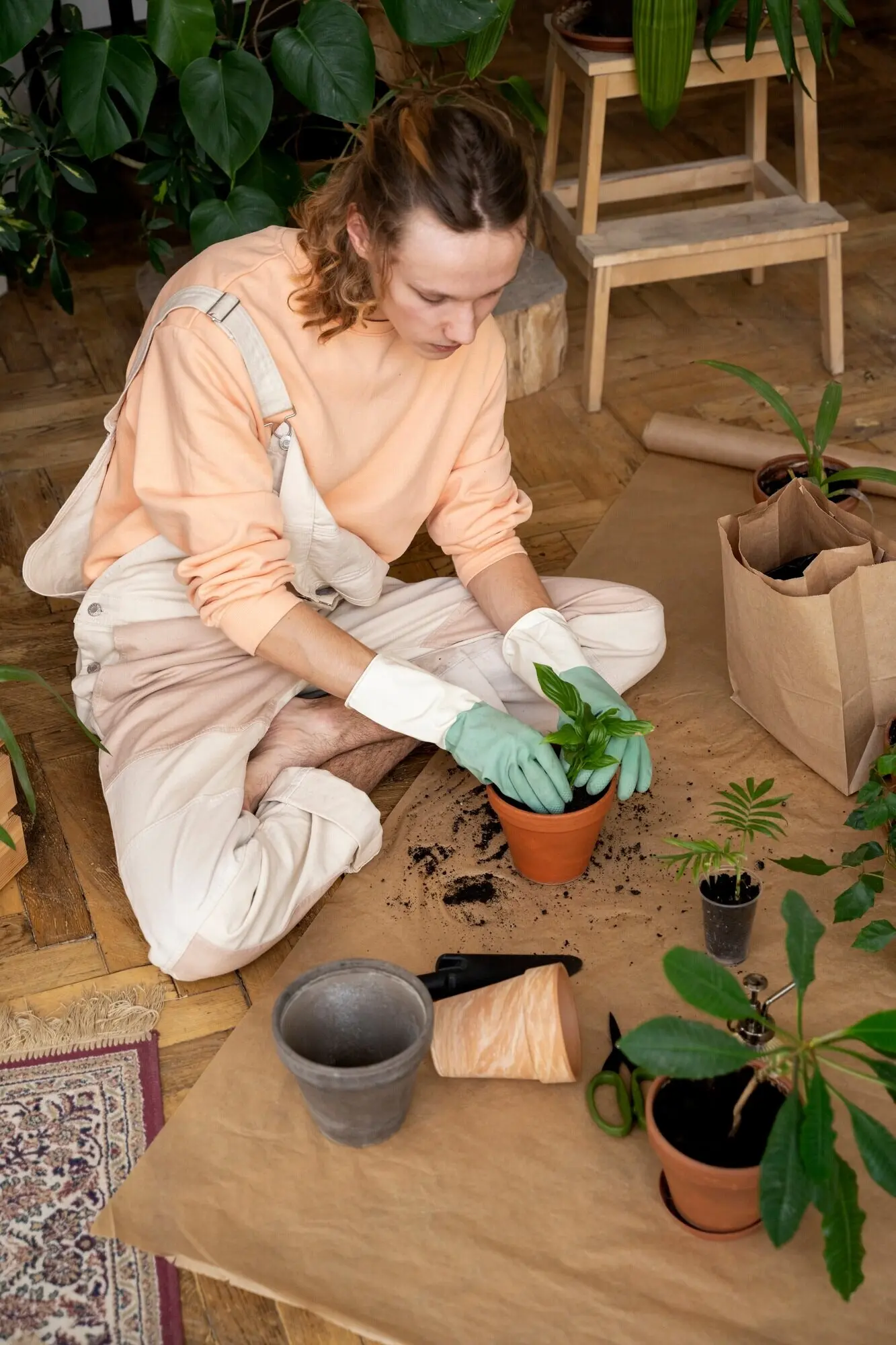
Building a Resilient Mulch Stack
Seasonal Timing and Weather Smarts

Spring Wake-Up Layers

Summer Heat Defense
Autumn Abundance and Winter Insulation

Soil Life, Nutrients, and the Carbon–Nitrogen Dance
Troubleshooting and Avoiding Pitfalls
Preventing Anaerobic Mats and Odors
If mulch smells swampy, it needs oxygen. Rake apart dense spots, blend in shredded leaves, and thin grass to a whisper. Water more gently but less frequently so layers dry between soakings. Consider puncturing a few narrow air channels with a garden fork to relieve compaction without deep disturbance. If rain is unrelenting, temporarily reduce layer thickness and re-apply when weather normalizes. Odor-free mulch feels springy, not sticky. Once airflow returns, microbes rebalance quickly, and your beds regain that sweet, earthy scent that signals healthy, cooperative decomposition.
Dealing with Allelopathic Leaves
Black walnut, eucalyptus, and certain conifers can inhibit sensitive crops. If these dominate your leaf stash, dilute heavily with neutral species and compost hot before garden use. Monitor seedlings for stunting or yellowing, especially beans, tomatoes, or peppers. If you suspect allelopathy, pull mulch back, rinse soil with a deep watering, and add a thin layer of mature compost to buffer effects. Over time, diverse inputs and steady biology reduce risks. When in doubt, use suspect leaves for paths, trees that tolerate them, or off-bed composting projects.
Stories, Results, and Community Connection
Backyard Bed Before-and-After
A compacted bed started with deep cracks and water pooling on the surface. After laying soaked cardboard, shredded maple leaves, and thin, dried grass layers, the gardener paused a week before planting peppers. Two months later, a hand trowel slid in easily, and fruit set held through a heat wave without daily watering. Weeds dropped dramatically, and a gentle earthy smell returned. The gardener logged fewer chores, steadier growth, and colorful harvests, proving that humble materials can renew tired soil faster than expected with consistent, thoughtful care.
Cardboard Paths in a Shared Plot
A community garden faced relentless bindweed along paths. Volunteers overlapped plain cardboard, soaked it, and topped with chopped leaves. After light settling, wheelbarrows rolled cleanly, pulling fewer weeds from bed edges. Water use dropped as soil stayed cooler underfoot. Seasoned members noted more visible worms at bed margins and fewer runoff ruts after storms. The path project saved weekend hours and set a welcoming tone for newcomers who could focus on planting rather than endless weeding, showing how small, coordinated efforts multiply benefits across an entire space.
Share Your Wins and Measurements
Try a simple experiment this month. Select two beds: mulch one with cardboard, leaves, and thin grass layers; leave the other as usual. Track watering intervals, weed minutes, and harvest weights. Note soil feel after rain and midafternoon temperature under the mulch. Post your observations, photos, and questions, and subscribe for follow-ups. We will spotlight reader results, celebrate creative tweaks, and build a library of region-specific insights together. Your data helps everyone adapt methods confidently, transforming chores into calm, repeatable practices that fit busy, real lives.
All Rights Reserved.