Grow More, Waste Less: Seeds, Cuttings, and a Greener Garden
The Hidden Cost of Store-Bought Seedlings
Seed Saving Fundamentals for Reliable Harvests
Selecting True-to-Type Parents
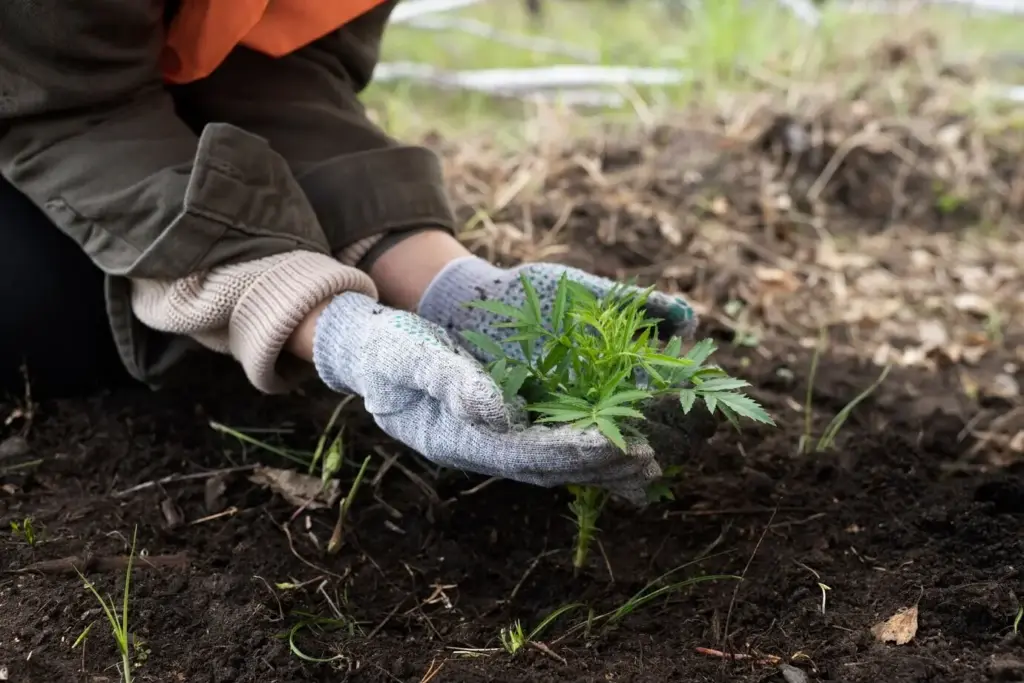
Choose vigorous, disease-free plants that display the qualities you love, whether sweet flavor, drought tolerance, or compact habit. Avoid off-types and stressed specimens. By saving seed from the best, you reinforce traits adapted to your microclimate, strengthening each generation while sidestepping plastic-laden nursery supply chains entirely.
Harvesting, Cleaning, and Drying Without Fuss
Wait for natural cues: pods turning papery, heads rattling, fruits fully ripe. Use simple screens, envelopes, and bowls to separate chaff, then air-dry on breathable surfaces. Meticulous drying prevents mold, preserves vigor, and ensures next season’s sowings replace store-bought trays and sleeves you would otherwise purchase.
Storing for Longevity and Testing Viability
Cool, dark, and dry conditions extend life. Glass jars with desiccant, labeled paper packets inside tins, or a dedicated airtight box in the refrigerator work well. Each winter, run simple towel germination tests to verify vigor, adjust sowing rates, and avoid disappointing gaps that trigger emergency nursery runs.
Propagation Beyond Seeds: Cuttings, Division, and Layering
Softwood, Semi-ripe, and Hardwood Cuttings
Dividing Clumps for Vigorous Regrowth
Layering for Low-Risk Rooting
Build a Low-Waste Propagation Setup at Home
Reusing Containers Safely and Effectively
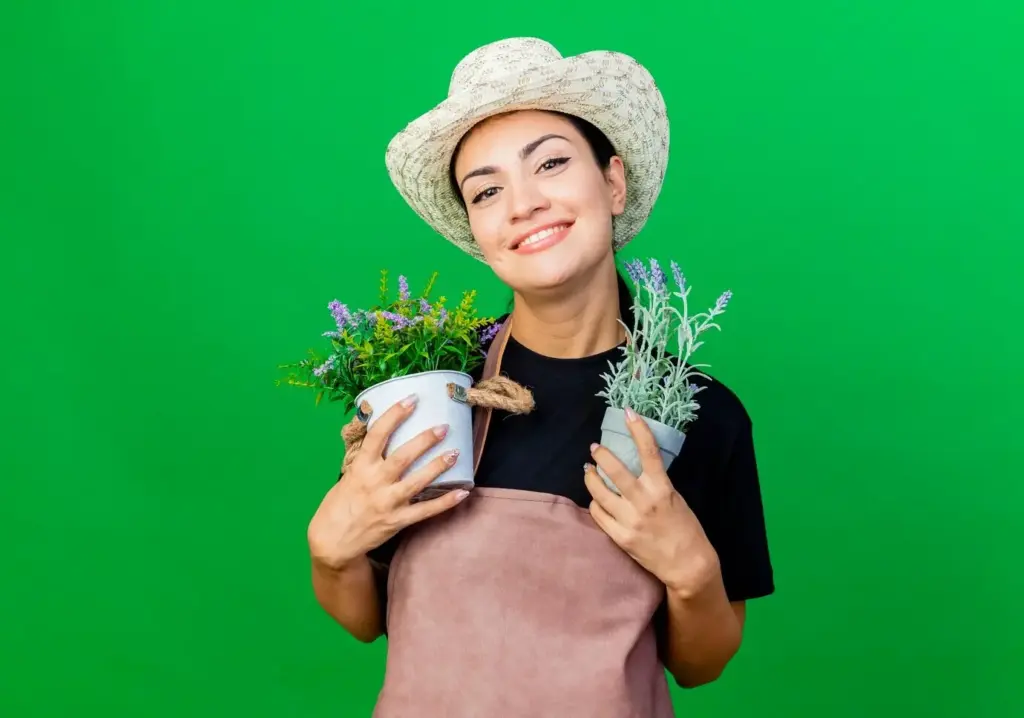
Wash with hot, soapy water, then sanitize with diluted vinegar or hydrogen peroxide, allowing surfaces to dry completely. Inspect for cracks that could harbor pathogens or collapse under moisture. With careful preparation, reused containers perform beautifully, preventing purchases and extending the life of materials already in your household.
DIY Mediums, Labels, and Tools from Everyday Materials
Blend compost with coco coir and perlite for a moisture-balanced start. Cut labels from milk jugs, flatten cardboard for germination mats, and craft a dibber from a worn wooden spoon. These simple substitutions replace plastic-heavy accessories, save money, and make your setup uniquely resourceful, personal, and resilient.
Sanitation and Disease Prevention Without Disposable Extras
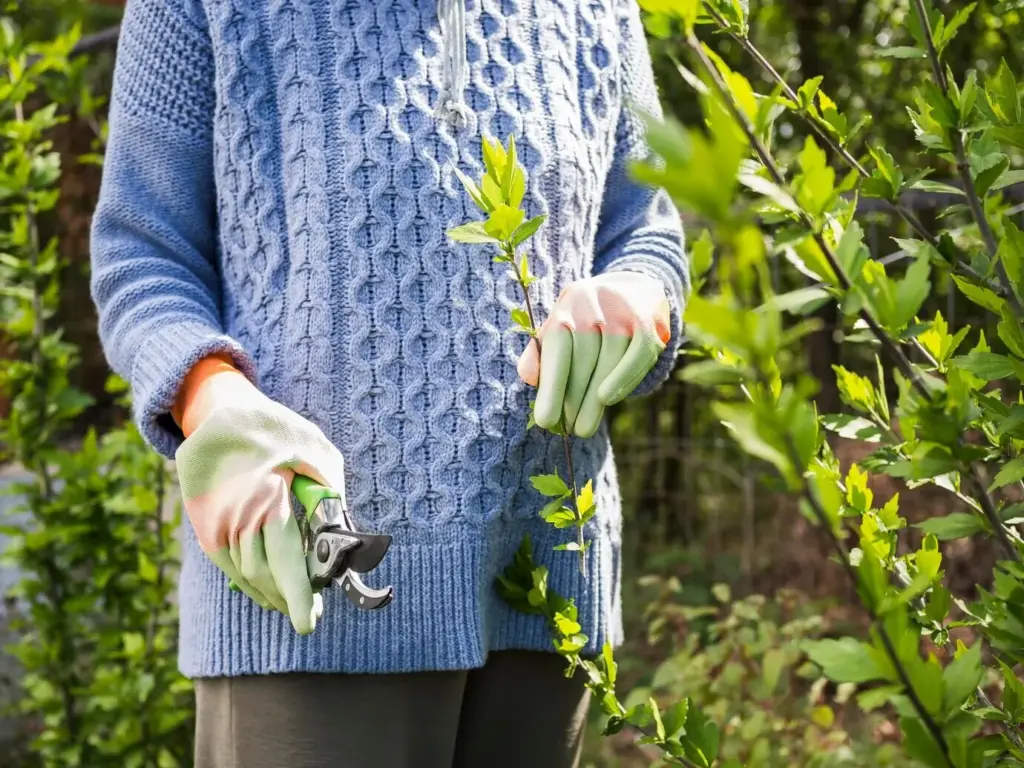
Airflow, spacing, and bottom-watering prevent damping off better than endless plastic domes. Sterilize pruning blades between plants, remove weak cuttings, and avoid overfeeding. Healthy hygiene practices replace throwaway fixes, keeping your workflow clean while demonstrating that less packaging can align with better, more professional results at home.

Measure Impact, Celebrate Wins, Share Knowledge
01
Track Plastic Avoided, Money Saved, and Plants Shared
Make a simple tally for each tray not bought, each pot repurposed, and every plant propagated. Convert avoided purchases into dollars and kilograms. Seeing the numbers climb turns abstract intentions into tangible outcomes, fueling motivation, conversation, and momentum across seasons and among neighbors who notice your thriving beds.
02
Troubleshoot Germination and Rooting Like a Scientist
Change one variable at a time, whether light, temperature, medium, or hormone. Keep notes, label trays clearly, and repeat successful methods. Failures become lessons, trimming wasteful do-overs, while incremental improvements raise success rates so you can rely less on packaged backups and more on your own mastery.
03
Invite Dialogue: Questions, Photos, and Local Tips
Post your experiments, ask for advice, and share regional insights about timing and varieties. Encourage readers to subscribe, comment, and trade seeds or cuttings. Community feedback accelerates learning, spreads low-waste practices, and turns solitary benches into lively hubs where knowledge, care, and seedlings circulate without single-use clutter.
All Rights Reserved.